The Tennis Coach’s Playbook: Crafting the Next Generation of Players
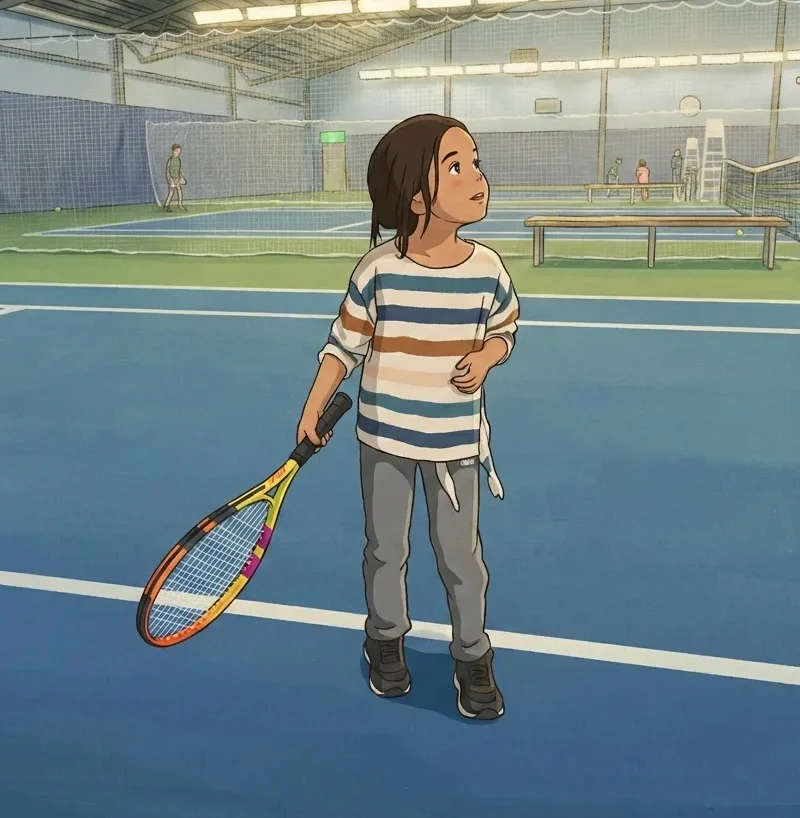
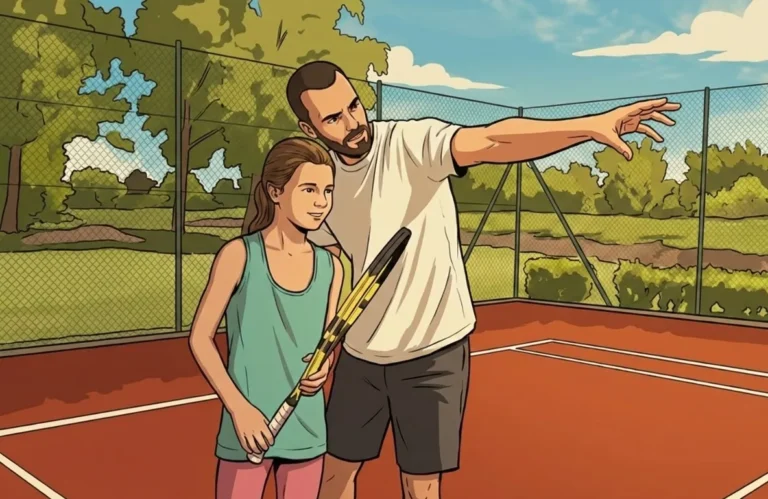
As a tennis coach, your role extends beyond developing athletic skills; you are instrumental in shaping the holistic growth of young players.
This guide provides a comprehensive strategy for managing groups of children aged 5 to 18, focusing on building a supportive team environment that fosters skill development, cultural appreciation, and community building.
With a maximum of four training days per week, you can cultivate not only proficient tennis players but also well-rounded individuals who thrive both on and off the court.
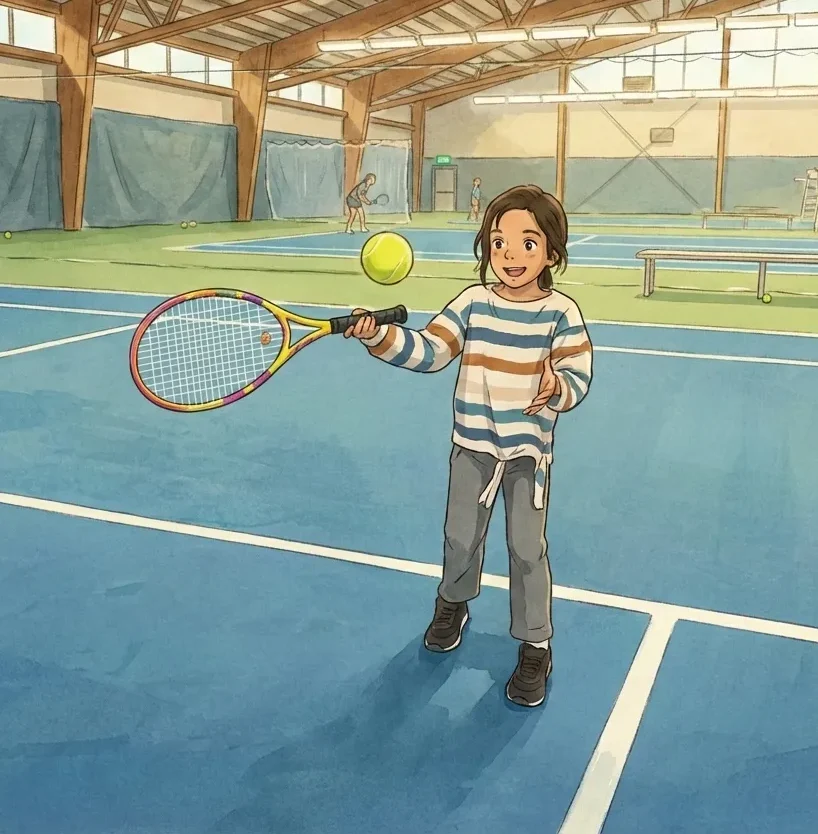
1. Introduction
Your influence as a coach plays a vital role in the emotional and social development of young athletes. Research shows that positive coaching practices enhance youth sports participation and retention, contributing to a lifelong love of the game (Krebs, 2020).
This guide outlines effective methods to create an engaging training environment, emphasizing age-appropriate strategies and cultural integration.
Importance of a Supportive Team Environment
Creating a supportive atmosphere is crucial for young athletes. According to the Youth Sports Research Council, athletes who feel supported by their coaches and peers are more likely to continue participating in sports (Smith & Smoll, 2021). A positive, encouraging environment fosters resilience, social skills, and a sense of belonging—essential elements for player development.
2. Age Group Segmentation and Coaching Strategy
2.1 Age Groups
To tailor your coaching methods effectively, segment your players into the following age groups:
- 5 to 7 years: Focus on basic motor skills, hand-eye coordination, and introducing tennis fundamentals.
- 7 to 9 years: Develop foundational tennis skills, tactical awareness, and a love for the game.
- 9 to 11 years: Enhance technical skills, introduce competition, and emphasize teamwork.
- 11 to 18 years: Refine advanced skills, foster competitive play, and nurture individual identities within the sport.
2.2 Training Goals for Each Age Group
- 5 to 7 Years:
- Develop basic motor skills and coordination.
- Foster a love for tennis through fun games and playful drills.
- Introduce the concept of teamwork and sportsmanship.
- 7 to 9 Years:
- Build foundational skills and basic strokes.
- Introduce mini-tournaments and friendly matches.
- Encourage social interactions through team activities.
- 9 to 11 Years:
- Focus on technical skill development and tactical understanding.
- Emphasize participation in local competitions.
- Strengthen bonds through team-building exercises.
- 11 to 18 Years:
- Refine advanced techniques and strategies for competitive play.
- Foster a sense of community and identity within the sport.
- Prepare players for higher levels of competition and personal goals.
3. Weekly Training Schedule
Sample Weekly Training Schedule
| Age Group | Day | Activity | Duration | Focus Area |
| 5 to 7 | Monday | Fun Skill Games | 1 hour | Motor Skills |
| Wednesday | Tennis Basics Drills | 1 hour | Fundamentals | |
| Saturday | Team Bonding Activities | 1 hour | Community | |
| Social Activity | 30 mins | Fun Activities (e.g., painting, reading) | ||
| 7 to 9 | Monday | Technical Skills Drills | 1 hour | Skills |
| Wednesday | Friendly Matches | 1.5 hours | Competition | |
| Saturday | Cultural Learning Session | 1 hour | Culture | |
| Social Activity | 30 mins | Fun Activities (e.g., board games, console games) | ||
| 9 to 11 | Tuesday | Tactical Match Play | 1.5 hours | Strategy |
| Thursday | Physical Conditioning | 1 hour | Fitness | |
| Saturday | Competitive Matches | 2 hours | Skills | |
| Social Activity | 30 mins | Fun Activities (e.g., movie nights, game nights) | ||
| 11 to 18 | Tuesday | Advanced Techniques Training | 2hours | Skills |
| Thursday | Team Strategy Session | 2 hour | Strategy | |
| Friday | Competitive Matches | 2 hours | Skills | |
| Social Activity | 30 mins | Fun Activities (e.g., discussion groups, team dinners) |
Breakdown of Weekly Activities
5 to 7 Years
- Fun Skill Games: Use games like “Tennis Tag” or “Balloon Tennis” to promote motor skills and enjoyment.
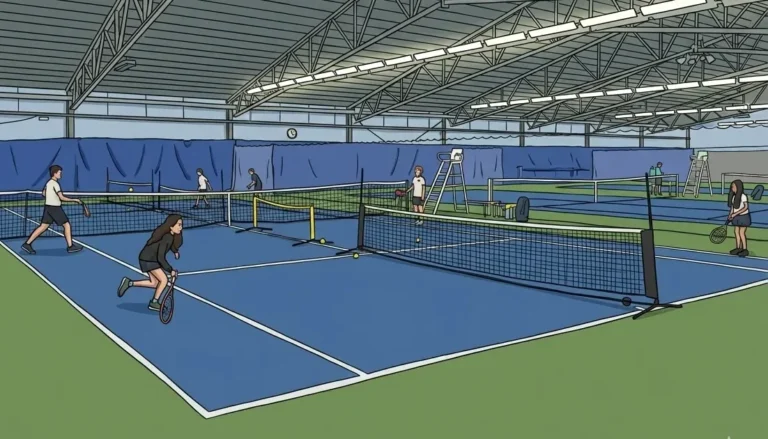
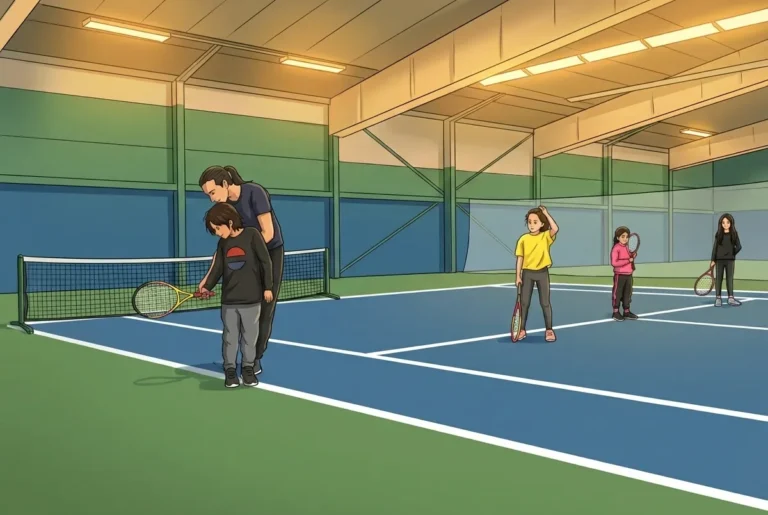
- Tennis Basics Drills: Introduce simple drills that teach the forehand, backhand, and serve using red balls on smaller courts.
- Team Bonding Activities: Organize playful team challenges to foster friendships through non-tennis games and activities.
- Social Activity: Engage in creative activities such as painting or storytelling to encourage imagination and bonding among players.
7 to 9 Years
- Technical Skills Drills: Incorporate drills focusing on stroke techniques, footwork, and rallying with orange balls on a 60-foot court.
- Friendly Matches: Encourage friendly matches with peers to build competitive spirit while emphasizing fun.
- Cultural Learning Session: Discuss tennis history, sportsmanship, and famous players to inspire a love for the game.
- Social Activity: Play board games or console games together to promote teamwork and camaraderie.
9 to 11 Years
- Tactical Match Play: Focus on point construction and tactical play through structured match situations.
- Physical Conditioning: Incorporate age-appropriate fitness drills to build strength and agility.
- Competitive Matches: Arrange local tournaments to develop competitive experience and teamwork.
- Social Activity: Organize movie nights or game nights to foster friendships outside of tennis.
11 to 18 Years
- Advanced Techniques Training: Focus on refining techniques, shot selection, and match strategies using green balls on a full-size court.
- Team Strategy Session: Discuss match strategies, player strengths, and tactics for upcoming competitions.
- Competitive Matches: Encourage participation in regional and national competitions, fostering resilience and growth.
- Social Activity: Hold discussion groups about tennis and personal goals or organize team dinners to strengthen team bonds.
4. Developing Tennis Culture
4.1 Importance of Tennis Culture
A strong tennis culture cultivates respect, discipline, and teamwork, contributing to players’ emotional and social development. Players who appreciate tennis culture are more likely to inspire future generations (Holt & Dunn, 2020). Research by Smith et al. (2019) shows that cultural engagement in sports leads to increased motivation, enjoyment, and commitment among young athletes.
4.2 Integrating Cultural Learning
- Historical Insights: Share stories of tennis legends such as Björn Borg and Rafael Nadal. Their dedication and sportsmanship have greatly influenced the sport, providing inspiration to young players and instilling a sense of belonging within the sport’s rich history.
- Community Engagement: Organize community events, such as charity matches or local tournaments, to instill a sense of giving back. A study by the Aspen Institute (2021) highlights that community engagement significantly enhances players’ emotional well-being and fosters a supportive environment.
- Sportsmanship Workshops: Facilitate discussions on respect, fairness, and sportsmanship to reinforce core values. According to a study published in the Journal of Sport & Exercise Psychology, teaching sportsmanship enhances athletes’ interpersonal skills, which are vital for both on-court and off-court interactions (Smith & Smoll, 2021).
4.3 Social and Cultural Activities
Research shows that social interactions among young athletes can enhance their enjoyment and commitment to the sport. For example, a study by Weiss and Chaumeton (2020) found that youth athletes who engaged in social activities alongside their sport training reported higher levels of satisfaction and motivation.
- After-Session Activities: Incorporate time for social and cultural activities post-practice. This could include:
- Small Kids (5-7): Painting, storytelling, and simple crafts to boost creativity and teamwork.
- 7-9 Years: Board games, group discussions about favorite players, or watching short tennis clips to inspire enthusiasm.
- 9-11 Years: Friendly video game tournaments related to tennis, discussing recent matches, or sharing experiences from competitions.
- 11-18 Years: Organize movie nights featuring sports films, discussion groups about strategies, and team dinners to foster deeper bonds.
5. Fostering Community and Friendship
5.1 Building a Supportive Environment
- Open Communication: Encourage players to express their thoughts and feelings in a safe space. Implement regular check-ins to gauge players’ emotional well-being and enjoyment of the sport.
- Team Traditions: Establish rituals or team goals to enhance camaraderie and identity. A study by Trub et al. (2019) highlights that team traditions significantly improve players’ sense of belonging and commitment to the team.
5.2 Parent Involvement
- Parental Engagement: Communicate regularly with parents about their child’s progress and involve them in team activities. Organizing family days enhances relationships and supports players emotionally (National Alliance for Youth Sports, 2021).
- Family Events: Plan family-oriented days that strengthen the bonds between families and the team. Research indicates that family involvement can enhance children’s social skills and confidence.
6. Measuring Success
6.1 Player Feedback
Utilize surveys and informal discussions to gauge players’ enjoyment and engagement levels. Feedback should focus on skill development, social interactions, and community bonding. Jannik Sinner’s coach, Riccardo Piatti, emphasizes the importance of understanding each player’s individual needs and creating an environment where players feel comfortable sharing their thoughts.
6.2 Performance Metrics
Track skill development, competitive performance, and personal goals to measure progress. Utilize qualitative and quantitative metrics to evaluate athletes’ growth in technical skills and interpersonal relationships. Notably, coaches like Patrick Mouratoglou have successfully integrated performance metrics to enhance player development, focusing on both technical and psychological aspects.
6.3 Team Atmosphere
Regularly assess the team’s atmosphere through observations and interactions to ensure it remains positive and inclusive. Coaches like Toni Nadal, who guided Rafael Nadal, have always prioritized a supportive atmosphere that encourages players to embrace challenges and foster resilience.
7. Conclusion
Coaching young tennis players requires a comprehensive approach that balances skill development, cultural appreciation, and community building. By implementing structured training schedules tailored to different age groups, coaches can create an environment where young athletes thrive both on and off the court.
Key Takeaways
- Holistic Approach: Focus on skills, culture, and team bonding.
- Age-Appropriate Training: Adapt activities to suit developmental stages.
- Nurturing Environment: Foster communication and support within the team.
References
- Aspen Institute. (2021). Sport for All, Play for Life: A Playbook to Get Every Kid in the Game. Retrieved from Aspen Institute.
- Holt, N. L., & Dunn, J. G. H. (2020). The Role of Sport in Child and Youth Development. Journal of Youth and Adolescence.
- Krebs, S. (2020). Positive Coaching: Building Confidence and Character in Young Athletes. International Journal of Sports Coaching.
- Smith, R. E., & Smoll, F. L. (2021). The Role of Coaching in Youth Sports: Enhancing Positive Outcomes. Journal of Sport Psychology.
- Smith, R. E., Smoll, F. L., & Cumming, S. P. (2019). Effects of Coach Training on the Quality of the Coach-Athlete Relationship. International Journal of Sports Coaching.
- Trub, L., Magro, E., & Faber, K. (2019). The Impact of Team Traditions on Youth Sports Participation. Journal of Sport & Exercise Psychology.
- Weiss, M. R., & Chaumeton, N. R. (2020). Motivational Processes in Youth Sports. Sport & Exercise Psychology Review.
This guide provides tennis coaches with practical strategies and insights drawn from successful figures in the sport.