Cultivating Resilience in Youth Tennis
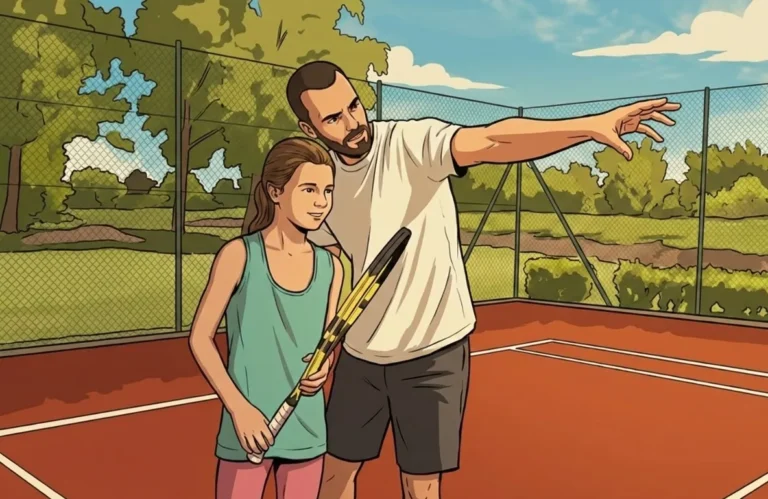
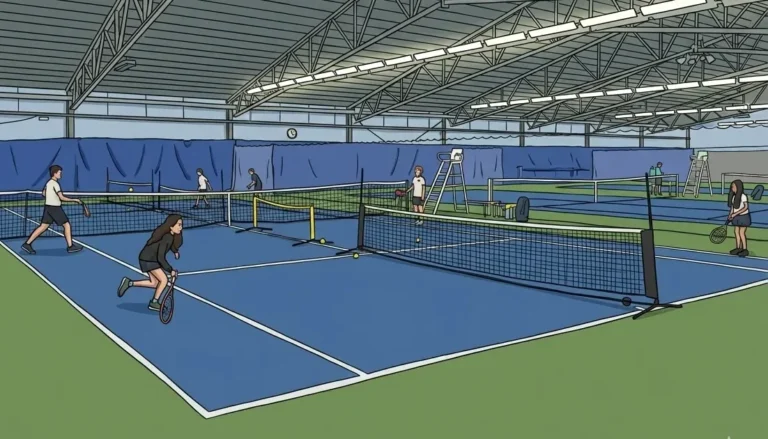
Objective: To establish a premier youth tennis program for ages 5–18 that minimizes burnout and maximizes potential by adhering to a 4-day/week maximum training cycle.
The Problem: Traditional youth sports models often push early specialization, leading to a 70% dropout rate by age 13 due to burnout or injury.
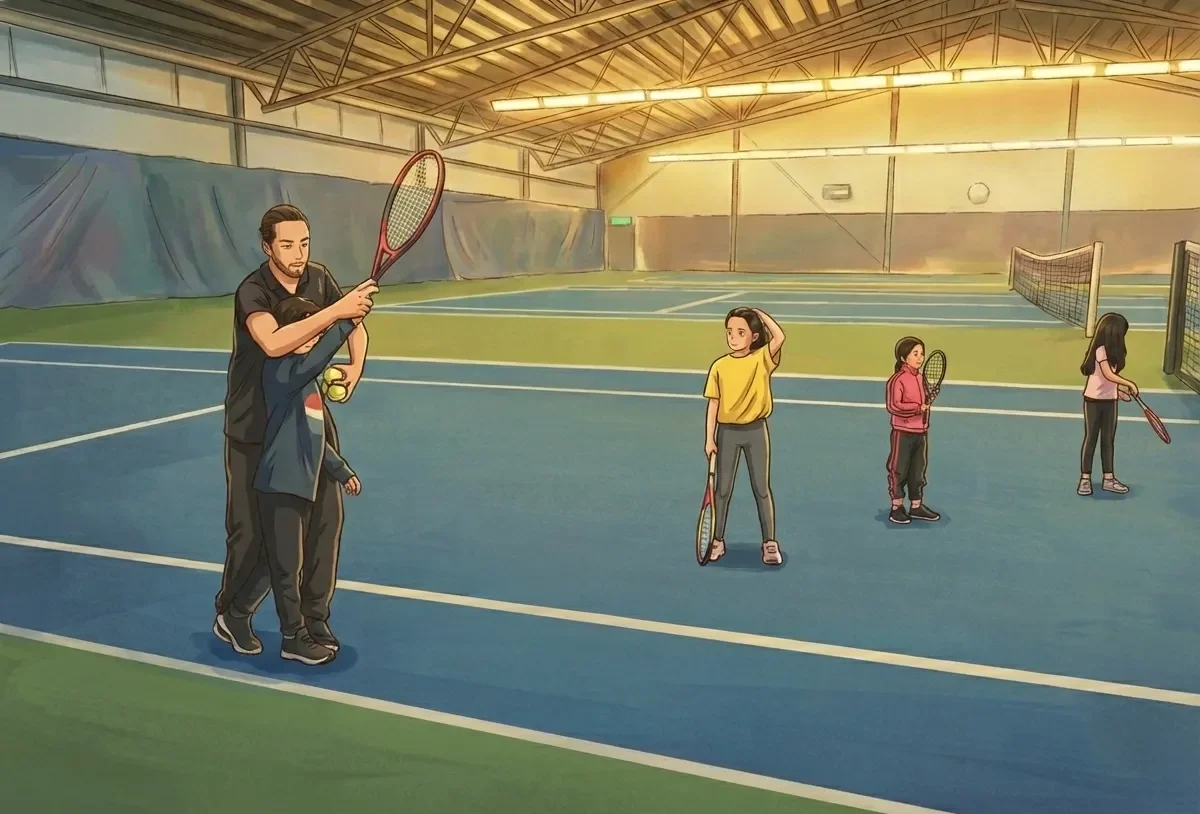
The Solution: A holistic, developmentally appropriate curriculum that prioritizes Physical Literacy over early winning, and Psychological Safety over intense pressure.
Key Differentiators in this Strategy:
- The “Ball-Color” Pathway: Strictly adhering to ITF Red/Orange/Green ball progressions to ensure technique develops naturally without injury.
- The 4-Day Constraint as an Advantage: utilizing rest days for “passive recovery” and identity building outside of tennis, reducing the risk of overuse injuries (e.g., Osgood-Schlatter disease).
- Culture of “Process”: Shifting praise from “winning matches” to “effort and sportsmanship.”
Comprehensive Strategic Guide
1. The Pedagogical Framework: LTAD Model
Instead of simple age segmentation, we utilize the Long-Term Athlete Development (LTAD) model. This accounts for “biological age” (growth spurts) vs. “chronological age.”
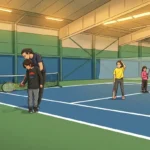
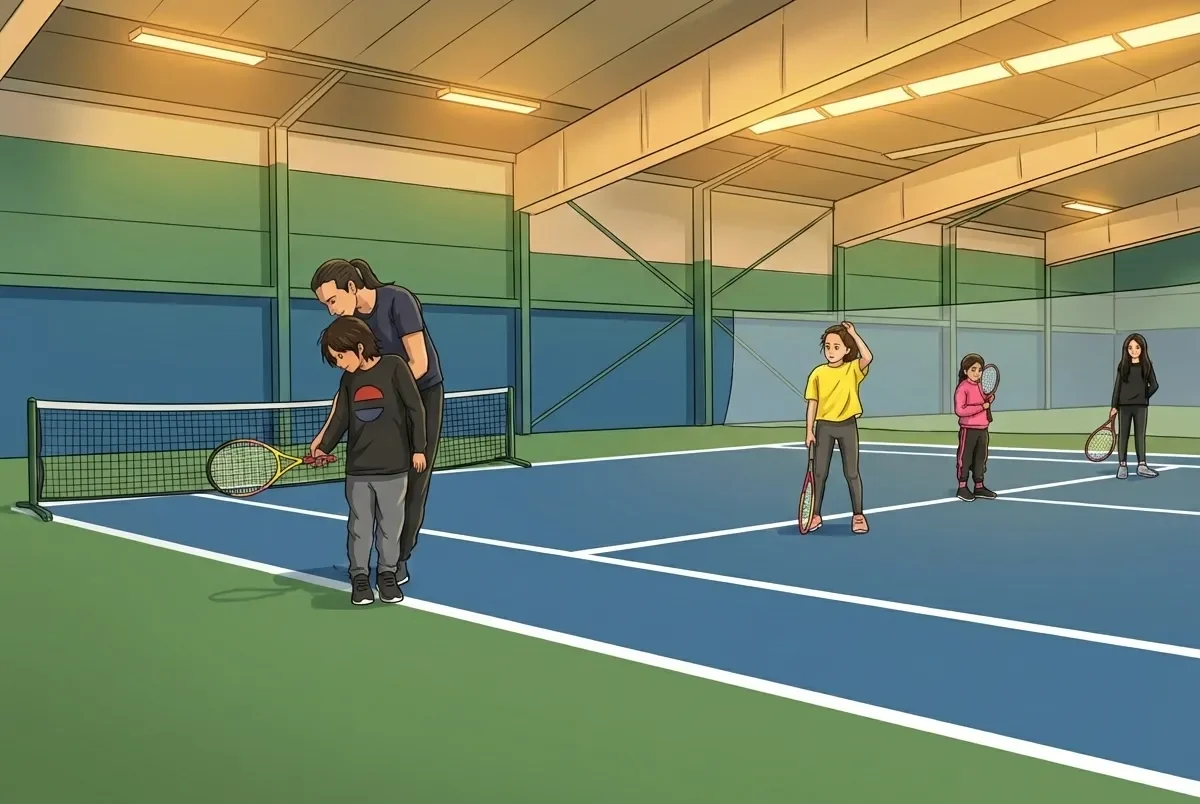
Phase 1: The FUNdamental Stage (Ages 5–8) | Red Ball
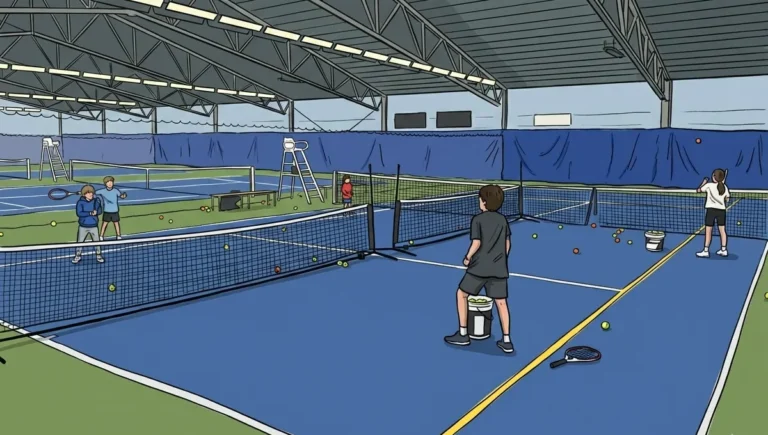
- Goal: Physical Literacy. Children must learn to throw, catch, and run before they can hit a forehand.
- Equipment: 36-foot court, 75% slower Red Balls.
- Metric: 70% of time spent on games/movement; 30% on tennis specific skills.
- Psychology: Connect tennis with “Fun.” If they don’t enjoy it now, they won’t compete later.
Phase 2: The Learning to Train Stage (Ages 9–11) | Orange/Green Ball
- Goal: Skill Consolidation & Tactical Awareness.
- Equipment: 60-foot court (Orange) to Full court (Green).
- Metric: Introduction of the “Games-Based Approach” (GBA)—learning strokes within the context of a rally, not just static lines.
- Psychology: Developing “Competence.” Children begin to compare themselves to others; the coach must frame mistakes as learning data, not failures.
Phase 3: The Training to Compete Stage (Ages 12–18) | Yellow Ball
- Goal: Aerobic Base, Strength, and Match Intelligence.
- Metric: 50/50 split between technical refinement and match-play scenarios.
- Physiology: Monitoring “Peak Height Velocity” (growth spurts). Training load decreases during rapid growth to prevent injury.
- Psychology: Developing “Autonomy.” Players take ownership of their warm-ups and equipment.
2. Optimized Weekly Training Architecture (Max 4 Days)
Limiting training to 4 days requires high efficiency. We utilize a Periodized Micro-cycle.
Group A: The Explorers (Ages 5–8) – Red Ball
Focus: Coordination, Agility, Balance, Speed (C.A.B.S.)
| Day | Focus | Activity Breakdown |
| Mon | Motor Skills | 20m Obstacle course (C.A.B.S) / 40m Hand-eye coordination / 10m Racquet skills. |
| Wed | Fundamentals | “Simon Says” Tennis Volleys. Intro to grips. Floor tennis. |
| Sat | Play Day | Team relay races. “Dungeon Master” (Coach feeds, kids dodge). |
| Sun | Rest | Active Recovery (Family time). |
Group B: The Developers (Ages 9–11) – Orange/Green Ball
Focus: Differentiation of spin, height, and depth.
| Day | Focus | Activity Breakdown |
| Tue | Technical | 30m Drill (Consistency) / 30m Live Ball Games (King of the Court). |
| Thu | Tactical | “Zones of the Court” (Defense vs. Offense). Point play with constraints (e.g., “Must hit one cross-court before winning”). |
| Sat | Competition | Intrasquad Team Tennis (Davis Cup style). Focus on cheering and scoring. |
| Soc | Culture | 30m Post-practice: “Video Analysis” (Watch a pro point, explain why they won). |
Group C: The Performers (Ages 12–18) – Yellow Ball
Focus: Pattern play, mental toughness, and fitness.
| Day | Focus | Activity Breakdown |
| Tue | High Intensity | 90m: Basket drills (Grooving technique) + Cardio Tennis elements. |
| Thu | Pattern Play | 90m: Serve + 1, Return + 1 scenarios. “2-on-1” drills (Overload training). |
| Fri | Match Play | 120m: Verified Match Play (sets). Simulation of tournament pressure. |
| Sat | Strategy/Recov | 60m: Tactical classroom (Whiteboard) + 60m Yoga/Mobility. |
3. Developing “Tennis Culture” & Citizenship
Research indicates that cohesive team culture predicts lower anxiety and higher performance retention.
3.1 The “Honor the Game” Protocol
Instead of generic “sportsmanship,” implement specific rituals:
- The Handshake: Teach eye contact and a firm handshake regardless of the score.
- Line Calls: Teach players that “If you are 99% sure the ball is out, it is 100% in.” This builds integrity.
- Equipment Care: No player leaves until the court is clean. This fosters humility and respect for the facility.
3.2 Cultural Integration (The “Beyond Tennis” Curriculum)
- The Mentorship Ladder: Assign 14–18 year olds as “Big Siblings” to the 5–8 year olds for one Saturday session a month. This teaches the older kids responsibility and gives the younger kids role models.
- Global Tennis History: Dedicate 5 minutes of cool-down to “Tennis Trivia.” Focus on diverse icons (Arthur Ashe, Li Na, Roger Federer) to show tennis as a global language.
4. Measuring Success: The KPI Dashboard
Move beyond “Wins and Losses.” Use these Key Performance Indicators (KPIs):
4.1 Quantitative Metrics
- Serve Percentage: (For ages 11+) Tracking improvement in first serve consistency.
- Rally Count: (For ages 5-10) Highest number of balls hit in a row without a miss.
- Retention Rate: The percentage of players who sign up for the next season.
4.2 Qualitative Metrics (The “Coach’s Eye”)
- Resilience Score: How does the player react to a bad line call or a double fault? (Scale 1–5).
- Coachability: Does the player make eye contact when spoken to? Do they attempt to implement feedback immediately?
5. Parent Engagement Strategy: The “Triangle of Trust”
Parents are the biggest determinant of a child’s environment.
- Quarterly “Parent Academies”: A 30-minute Zoom call or meeting explaining the Process. Explain why their 7-year-old is using a Red Ball (to prevent strange grips and injury) so they don’t pressure the child to move up too fast.
- The “24-Hour Rule”: Institute a policy where parents must wait 24 hours after a match/practice before discussing grievances with the coach. This removes emotion from the conversation.
6. Conclusion
By capping training at 4 days, you are not limiting the players; you are protecting them. This schedule allows for high-intensity, focused training when they are on the court, and necessary physiological and psychological recovery when they are off. This approach builds a player who loves the game at age 25, not just one who wins a trophy at age 10 and quits at 12.